


The Family Core
4.614.00 Reviews
App Specs
- Version
- 2.123
- Updated On
- License
- Free
- Downloads
- 10,000+
- Developer
- The Family Core, LLC
- Categories
- Parenting
- Platform
- Android
Screenshots



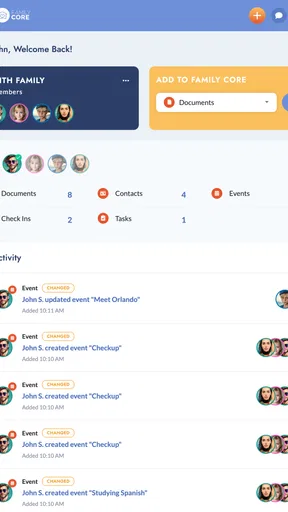
 Analysis by AppCompare
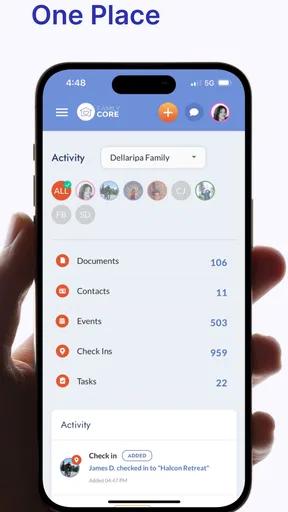
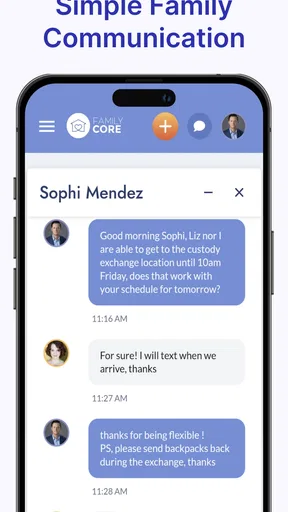
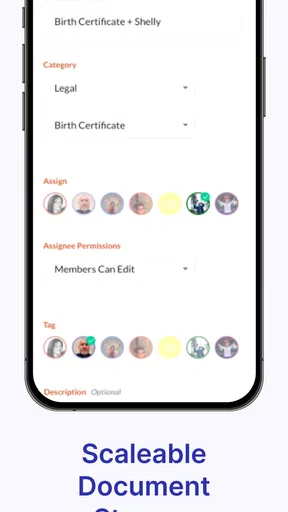
Managing family life often means coordinating small details that become surprisingly difficult when they are scattered across messages, calendars, notes, and memory. The Family Core approaches that problem as a family management app from The Family Core, LLC, with an emphasis on keeping household coordination secure and streamlined. I found its appeal less about flashy extras and more about giving families a shared place to organize the information and routines they already handle every day.
The app is free to install and is suitable for Everyone, which makes it approachable for a household with different ages and levels of technical confidence. Its current version is 2.123, and it runs on Android devices using version 6.0 or later. The Family Core has reached over 10 thousand installs, with a 4.6 average from around 142 ratings and 14 written reviews. Those figures suggest a positive early reception, although the relatively small review pool means I would still judge it mainly by whether its workflow matches my family’s habits.
How I would build a dependable family workflow
I would not begin by trying to move every piece of family information into the app at once. The better approach is to choose one recurring problem first: coordinating responsibilities, keeping household details together, or making family communication less fragmented. Once that basic use feels natural, I can add more of the family’s routine without making the app feel like another chore.
A realistic example is a weekday with school, work, appointments, and an evening activity. Instead of one parent remembering the pickup arrangement, another checking a separate calendar, and a child asking where something is happening, the household can use one shared management space as the reference point. The important habit is not simply opening the app; it is agreeing that the information inside it is the information everyone should trust.
That distinction matters. A family app cannot fix unclear responsibilities by itself. Before adding details, I would decide who is responsible for keeping plans current, when changes should be entered, and what information deserves to be shared with everyone. This simple agreement is one of the most useful ways to avoid duplicate messages and outdated reminders.
I also like the idea of treating the app as a household dashboard rather than a replacement for every tool on a phone. A calendar may still be better for personal appointments, while ordinary messaging may remain useful for urgent conversation. The Family Core makes more sense when it holds the family-level information that several people need to see, rather than forcing every private task into a shared space.
Start with the smallest shared routine
For a first week, I would choose one routine that happens often enough to reveal whether the app is genuinely helping. Pickup coordination is a good test because it involves timing, responsibility, and the possibility of last-minute changes. Another useful test is a repeated household responsibility where everyone needs to know what has been agreed.
Worth Reading Before You Choose

EA SPORTS FC Mobile 26 Is a Bigger Football Game, but It Takes Time

Flipboard Shows What News Apps Must Do Beyond the Feed

Switching to Android Auto Means Rethinking Your Driving Routine

Google Calendar Makes a Crowded Week Easier to Manage

Ludo King Makes the Most of the Minutes Between Plans

Baby Panda World Brings Quick Play to Modern Phones, but Its Game Library Feels Busy
After a few days, I would look for friction rather than simply counting how much information has been added. Do family members know where to look? Is the person responsible for updates actually making them? Are people still sending separate messages because the shared information is hard to find? These questions tell me more about the app’s practical value than a long setup session.
A particularly helpful habit is to enter information at the moment a decision is made, not later when memory is already unreliable. If a pickup arrangement changes during a conversation, updating the family space immediately creates a single reference point. This is a small workflow improvement, but it prevents the common problem of several people remembering different versions of the same plan.
Settings and privacy choices deserve attention
Because The Family Core is positioned around secure family management, I would spend time reviewing its available settings before sharing sensitive household information. I would check which details are visible to the whole family, which people can make changes, and whether the app’s sharing behavior matches the family’s expectations. I would also make sure every household member understands what belongs in the shared space and what should remain private.
This is especially important in families with children, blended households, or relatives who help with care. Not every person needs the same level of access to every detail. A parent may need a broader view than a child, while a grandparent may only need the information connected to a specific routine. If the app’s available controls do not fit that arrangement, I would keep the shared content deliberately limited rather than overexposing personal information.
I would also check notification behavior and device-level settings. A family management tool becomes irritating when it interrupts everyone for minor changes, but it becomes unreliable if important updates are easy to miss. My preference would be to keep alerts focused on information that requires action and use the app itself for details that can wait.
Another practical check is account recovery and device access. Families change phones, share tablets, and sometimes hand devices to children. Before relying on the app for essential arrangements, I would make sure the adults who need access can regain it if a device is lost or replaced. I would also avoid treating the app as the only place for information that could create serious trouble if temporarily unavailable.
The Family Core includes in-app purchases priced at $9.99 per item, so I would review any upgrade prompt carefully before confirming it. The free starting point is useful for testing whether the family actually adopts the workflow. I would not pay simply because a feature sounds convenient; I would first identify a repeated limitation in the free experience and decide whether the purchase solves that specific problem.
Shortcuts that make shared management easier
The fastest families are not necessarily the ones that enter the most information. They are the ones that reduce decisions. I would create a simple rule for naming and organizing shared items so that another person can understand them without asking for clarification. Consistent wording is a quiet advantage: it makes the family space easier to scan when someone is busy.
I would also establish a short weekly review. This does not need to become a formal meeting. A few minutes spent checking upcoming commitments, unresolved responsibilities, and recent changes can prevent the app from becoming a collection of old information. The review is particularly valuable when multiple adults contribute updates, because it exposes conflicts before they affect the day.
One non-obvious trade-off is that centralization can increase responsibility for the person who maintains the information. If one parent becomes the only person who updates everything, the app may reduce confusion for everyone else while quietly adding work for that parent. I would deliberately share the maintenance habit: whoever makes a change should record it, and whoever notices outdated information should correct it.
Another useful pattern is to separate stable information from temporary arrangements. A recurring household detail should not be treated the same way as a one-day change. Keeping those ideas distinct makes it easier to know what needs regular review and what can be removed after it is no longer relevant. This also reduces the chance that an old exception will be mistaken for the normal plan.
For caregivers, the app can be most useful when the family agrees on a handoff routine. Before a child moves from one caregiver to another, the responsible adult can check the shared information and confirm any changes in the same place. That is more dependable than relying on a long message thread where an important detail may be buried between unrelated conversation.
Where it compares well with ordinary alternatives
The usual alternative is a combination of a group chat, a shared calendar, paper notes, and individual reminders. That combination is flexible, but it spreads responsibility across several places. Messages are good for discussion but poor as a long-term record. Calendars handle dates well but may not explain household context. Paper is visible but difficult to update when plans change.
The Family Core is more appealing when the main problem is fragmentation. A family that repeatedly asks, “Where was that written?” may benefit from a dedicated shared management space. The advantage is not that it makes every task automatic; the advantage is that it encourages the household to decide where shared information belongs.
At the same time, I would not replace a mature calendar system just because a family app exists. If everyone already uses a calendar consistently and communication is clear, moving information may create more work than value. The Family Core is a better fit for families whose problem is coordination between people, not families looking for a highly specialized calendar or project-management system.
I would also be cautious about using it for urgent communication unless the family has confirmed that everyone checks it reliably. A shared management app is only useful for time-sensitive information when the people involved have developed the habit of opening it. For emergencies, the fastest direct communication method remains the sensible choice.
Limits that experienced users should accept
The app’s secure, organized approach may appeal to families that want structure, but structure can feel like overhead during a hectic day. Every shared system needs maintenance, and The Family Core is not a substitute for agreeing on responsibilities. If family members refuse to update plans or ignore the shared space, the app will not magically create cooperation.
There is also a learning curve caused by family differences. One person may want detailed organization, while another only wants the next important task. I would begin with the simplest arrangement that serves both groups. Overbuilding the family system can make it intimidating, particularly for relatives who are less comfortable with apps.
The free model makes experimentation easier, but the presence of $9.99 in-app purchases means families should consider ongoing value before expanding their use. I would test the core workflow with real household situations, not hypothetical ones. If the app saves repeated confusion and the additional purchase addresses a genuine need, it may be worthwhile. If it only adds more information to maintain, I would keep the setup lean.
Compatibility is another practical consideration. The app requires Android 6.0 or later, so most supported Android devices should be able to meet that baseline, but families using a mixture of older hardware and different platforms should confirm that every essential participant can take part comfortably. A shared system is only as strong as the least-connected person who needs it.
I would skip The Family Core if I wanted a private personal planner, a sophisticated task manager, or a tool built around a single individual’s productivity. Its value is family coordination. I would also skip it if my household already has a well-maintained system that everyone follows and there is no recurring confusion to solve.
My verdict after looking at the complete workflow
I see The Family Core as a practical choice for families that want to move beyond scattered messages and informal memory. Its strongest use is not filling a screen with every possible detail; it is creating a shared habit around the information that affects several people. The combination of a free entry point, an Everyone age rating, and a focused parenting category makes it easy to consider without committing immediately.
My recommendation would be to install it with one concrete goal, involve the people who will actually use it, and review the settings before adding sensitive details. Give the household a short trial based on a real routine, then judge whether plans are easier to find and responsibilities are clearer. That approach reveals the app’s value much faster than importing an entire family history on the first day.
For me, the deciding question is simple: does the family need a shared core for coordination, or does it merely need a better calendar or chat habit? If the answer is the former, The Family Core is worth trying. It is most convincing when used with consistent naming, shared maintenance, sensible access choices, and a brief weekly review. It will not remove the need for communication, but it can make that communication more organized and less dependent on one person remembering everything.
Pros
- Centralizes family schedules
- tasks
- and important information in one place.
- Shared planning can make responsibilities clearer for every household member.
- Useful reminders help reduce missed appointments and daily chores.
- May improve communication without relying on multiple messaging apps.
- Suitable for families looking for a structured home-management tool.
Cons
- Some features may require every family member to install and use the app.
- Initial setup can take time when adding people
- tasks
- and recurring routines.
- Notifications may become excessive if too many reminders are enabled.
- The app’s usefulness depends on consistent participation from the whole family.
- Privacy settings should be reviewed carefully before sharing household information.
FAQs for The Family Core
What is The Family Core, and what can I use it for?
The Family Core is designed to help families organize everyday life in one shared digital space. Depending on the features available in your version, it may support family communication, schedules, reminders, shared activities, household coordination, or access to family-oriented resources. Before downloading, review the app description carefully to confirm which tools are included and whether they match your family’s specific needs.
Is The Family Core suitable for children and family members of different ages?
The Family Core appears intended for family use, but suitability can depend on the child’s age, the account settings, and the way parents configure access. Adults should review the available permissions, communication options, and content before inviting children. It is also important to check the developer’s age rating, terms of service, and privacy information, especially if minors will create profiles or share personal details.
Does The Family Core protect family information and personal data?
Before using The Family Core, check its privacy policy to understand what information it collects, how data is stored, and whether details are shared with service providers or third parties. Family apps can involve names, schedules, messages, photos, locations, or information about children. Use strong passwords, enable available security features, limit permissions to what is necessary, and avoid entering sensitive information unless you understand how it is handled.
Is The Family Core free to download, or does it require a subscription?
The Family Core may be free to download while offering optional paid features, subscriptions, or in-app purchases. Pricing, trial periods, and available functions can vary between Android and iOS and may also change over time. Check the store listing before installing, then review the subscription terms carefully. If you start a trial, confirm the renewal date and cancel through your device’s app-store settings if you do not want to continue.
What should I do if The Family Core does not work correctly?
If The Family Core crashes, fails to sync, or does not send notifications, first check your internet connection and make sure the app is updated. Restarting the app or device can also resolve temporary problems. Review notification, battery, storage, and permission settings, particularly if reminders or family updates are missing. If the issue continues, use the developer’s official support channel and include your device model and operating-system version.


